Simple Balance Exercises for Seniors That Can Prevent Falls

FMC Team • August 5, 2026

Staying active and independent matters deeply to families here in Lake Odessa, Michigan. As loved ones age, the ability to move safely and confidently is a key to keeping up with favorite hobbies, sharing time with grandchildren, and enjoying everyday life around our close-knit community.


Many seniors want to stay in their own homes or enjoy outings downtown, but fall prevention reminds us that one simple slip can have big effects.


Falls are now the leading cause of injury among adults 65 and older, according to the Centers for Disease Control and Prevention. For many Lake Odessa families, this data represents parents, grandparents, friends, or neighbours whose lives may dramatically change after a fall.


The good news? Many falls are preventable, and the earlier we take small steps, the better.


Balance changes as we age, but it’s never too late to strengthen stability with daily balance practice. With a little practice, the right exercises can make a real difference in reducing fall risks for seniors and supporting independent living. Our community has always looked out for each other, and sharing the tools to stay safe means empowering everyone to age safely and securely.

Key Takeaways

  • Balance exercises for seniors can help improve strength, coordination, and stability, which may help prevent falls.


  • Safe at-home exercises include single-leg stand (standing on one leg), heel-to-toe walk, back leg raises, side leg raises, marching in place, toe stands, and sit to stand.


  • Seniors should practice near a stable chair, wall, or countertop, wear non-slip shoes, and clear away loose rugs or slippery items before starting.


  • Stop exercising and talk to a doctor if dizziness, pain, weakness, vision changes, or a recent fall affects balance or daily movement.


  • Regular short sessions, even 10 to 15 minutes a few times each week, can help build confidence and improve mobility.
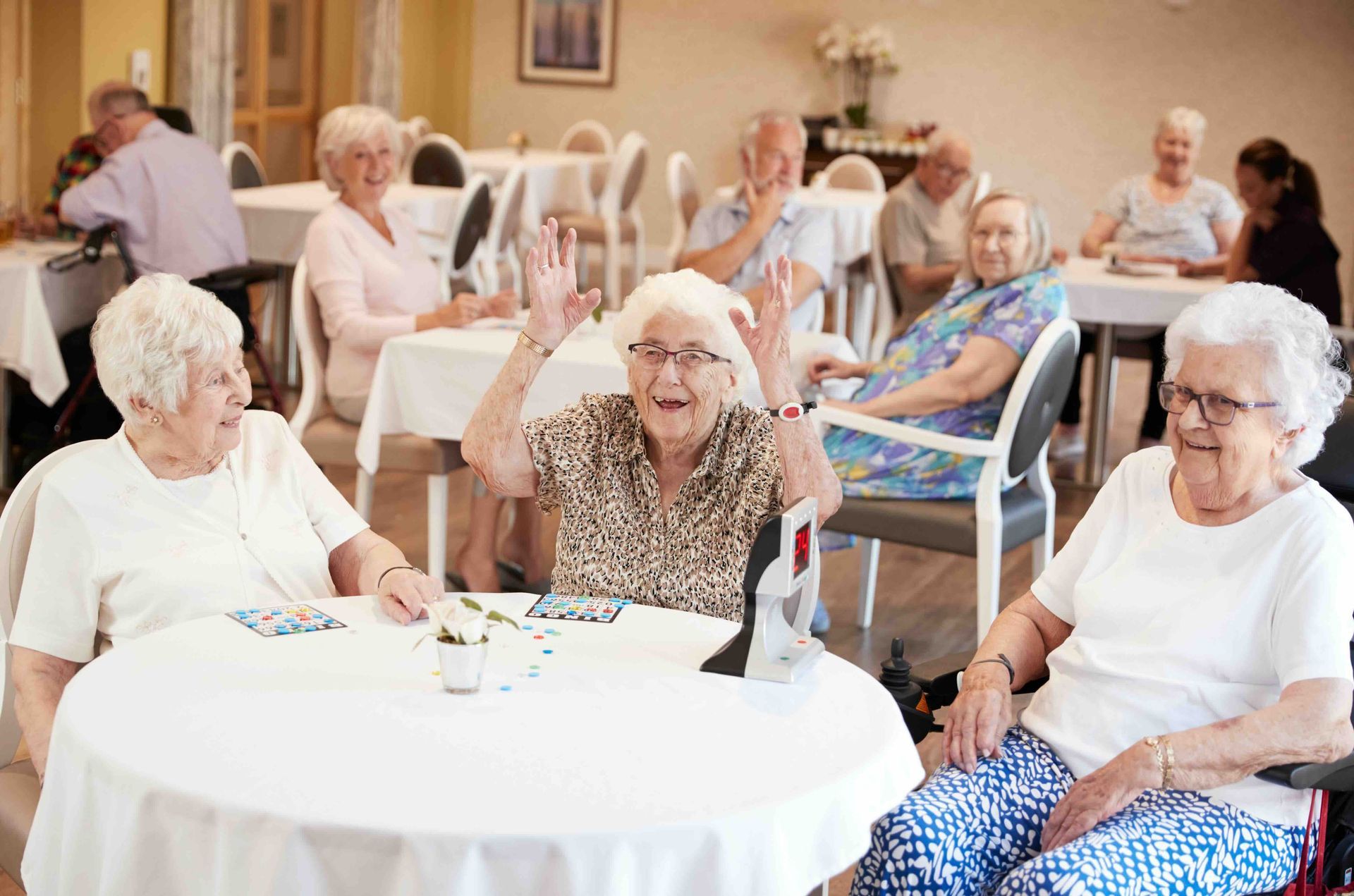
Residents chatting and playing cards at a bright retirement community lounge table

Why Balance Exercises Matter More for Older Adults

Balance depends on a combination of strong muscles, flexible joints, a steady inner ear as part of the vestibular system, clear vision, and proprioception. As people grow older, each of these elements can shift.


Muscle mass often decreases, making it harder to lift feet or change direction quickly. Good nutrition also plays an important role in healthy aging, strength, and stability. Joints can stiffen, affecting reaction times. Vision may fade, and even changes in hearing can throw off stability.


As a result, about one in four Americans ages 65+ falls each year, per the National Council on Aging. This accounts for about $80 billion in healthcare costs for non-fatal senior falls.


Medications can also play a big role. Many seniors live with conditions like diabetes, arthritis, or high blood pressure. Certain medicines for these conditions, or for sleep, can cause dizziness or slow reflexes.


A lack of regular activity, often caused by cold Michigan winters or busy family schedules, can further reduce strength and stability.


Even a small stumble can lead to a broken bone, a head injury, or a lasting fear of falling for older adults. This loss of confidence often reduces independence and participation in community activities.


Fortunately, there are ways to improve balance, even later in life. With gentle and consistent practice, anyone can reduce the risk factors for falls. The strengthening exercises below were chosen for their safety and effectiveness, and most older adults can do them at home.


7 Simple Exercises That Support Fall Prevention for Seniors

All of these senior stability exercises can be done indoors in a small space. We always recommend starting near a stable chair or countertop and wearing non-slip shoes for support. Be aware of any hazards in the area, such as throw rugs or slippery flooring.


1. Single-Leg Stand

Stand with your feet behind a sturdy chair (or another stable surface) and place your hands on the back for balance. Gently lift your left foot off the floor, bending your knee slightly if needed, and hold for 10 to 15 seconds. Place your foot back down and repeat with the other leg. Aim for two to three rounds on each side.


This simple standing on one leg exercise strengthens the muscles in your ankles, calves, and thighs, making it easier to steady yourself when walking or making a quick turn. If you feel strong, try lessening your grip on the chair, but always put safety first.


2. Heel-to-Toe Walk

Find a clear space near a hallway wall. Step forward, placing your left heel directly in front of the toes of your other foot. Continue for 15 to 20 steps, using the wall for guidance if needed.


This “tandem walk,” or heel-to-toe walk, boosts both balance and coordination, skills that help you recover your footing quickly if you trip. Practicing near a wall means you always have support if you start to wobble.


3. Back Leg Raises

Using a sturdy chair for support, stand up straight and slowly lift your left leg directly behind you. Keep your knee straight and avoid leaning forward. Hold for a few seconds, then lower. Repeat 10 to 15 times before switching to the opposite leg.


Back leg raises strengthen your lower back and glutes, both of which help maintain good posture and keep your body stabilized. Move at a pace that feels safe and avoid swinging your leg.


4. Side Leg Raises

Remain behind your sturdy chair. Lift one leg out to the side, keeping your back straight and toes facing forward. Pause for a moment, then lower. Repeat 10 to 15 times per leg.


Side leg raises work the hip abductor muscles, key stabilizing muscles that help prevent sideways slips and stumbles. Taking your time and controlling each movement helps build muscle memory and keeps you safe.


5. Marching in Place

Stand close to a countertop or sturdy chair. Lift one knee up toward your chest, then lower it and lift the opposite knee. Continue in a slow marching in place motion for 30 seconds to one minute.


Marching in place builds core muscle strength and coordination and helps you practice weight shifting from foot to foot. When you feel comfortable, add gentle arm swings for more balance training.


6. Toe Stands (Calf Raises)

For your starting position, stand behind a chair and hold the back lightly. Raise your heels so you’re standing on your toes, hold for a second or two, then lower yourself back down. Repeat 10 to 15 times.


Heel-toe raises improve ankle strength and help prepare your body to push off or recover balance. Remember to move with control and avoid bouncing your heels up and down.


7. Chair Sit to Stand

Sit upright in a sturdy chair with feet flat on the floor. Cross your arms or keep them at your sides. Slowly stand up without using your hands for support (keep your nose over toes), then lower yourself back down to sit. Try to repeat this sit-to-stand movement 10 times.


This exercise mimics everyday actions, like getting up from a sofa or stepping out of a car. Building leg and core strength in this way sets you up for independence in daily routines. If needed, use the armrests until you gain more strength and balance improves.


For those with better balance, consider progressing to a reverse lunge in a controlled manner.


Tips for Practicing Balance and Strength Exercises Safely at Home

Safety is always the priority when working with balance exercises for elderly community members. There are a few key ways to prioritize that:


Create a Safe Exercise Space

Choose a clear area free of clutter, loose rugs, or slippery surfaces to support coordination and stability. Keep a sturdy chair, wall, or countertop nearby for support, and wear non-slip shoes to reduce the risk of slipping.


Start Slowly and Build Gradually

Begin with a small number of repetitions, performing movements in a controlled manner, and increase over time as your strength and confidence improve. Even short sessions (10 to 15 minutes a few times per week) can make a noticeable difference.


Pay Attention to Warning Signs

Stop immediately if you feel dizzy, lightheaded, or experience pain. Avoid performing exercises with eyes closed unless supervised. If symptoms continue, it’s a good idea to speak with a healthcare provider before continuing your routine.


Stay Consistent and Get Support

Practicing regularly helps build stability over time. Treat the routine as an exercise snack with short, frequent sessions for encouragement and results. Many seniors find it helpful to exercise with a family member, caregiver, or physical therapist for added motivation and safety.

When to Talk to Your Doctor About Balance Concerns

It’s important to know when to talk to your doctor about balance concerns and fall prevention. If you or a loved one has had a recent fall or a close call, schedule a visit to discuss fall risk assessment.


Other reasons to reach out to your doctor to improve mobility include…

  • New dizziness
  • Loss of strength
  • Changes in vision
  • Starting new medications that could affect balance


Doctors can help by reviewing medications, checking vision and hearing, and recommending regular medical exams that support senior health and well-being. Sometimes, a referral for physical therapy or further evaluation may help.


Frequently Asked Questions About Balance Exercises for Seniors


What are the best balance exercises for seniors to prevent falls?

Some of the best balance exercises for seniors to prevent falls include the single-leg stand for building single-leg strength, heel-to-toe walk, side leg raises, marching in place, reverse lunge, heel-toe raises, and sit-to-stand. Practicing the single-leg stand helps with weight shifting, while these strengthening exercises overall build leg strength, core control, and stability. They also support safer movement during daily tasks like walking, turning, and getting up from a chair.


Can seniors do balance exercises safely at home?

Yes, many seniors can do balance exercises safely at home if they take basic safety steps first. It's best to exercise near a stable chair, countertop, or wall for support. Non-slip shoes, a clutter-free floor, and movement in a controlled manner also help reduce risk. Maintain nose over toes posture when standing up from a sit to stand. If someone feels dizzy or unsteady, they should stop right away.


How often should seniors do balance exercises?

Short, steady practice works well for most older adults. The article suggests starting with 10 to 15 minutes a few times each week through daily balance practice and exercise snacks, then building up over time. Progress by trying eyes closed for added challenge. Regular strengthening exercises in a controlled manner can help improve strength, coordination, and confidence. Consistency matters more than doing too much at once.


When should an older adult talk to a doctor about balance problems?

An older adult should talk to a doctor after a fall, a near fall, new dizziness, slower reaction times, loss of strength, vision changes, or after starting a medication that may affect balance. These signs can point to a higher fall risk or another health issue. A doctor can review medications, check hearing and vision, and recommend next steps, such as physical therapy or a fall risk assessment.


Why does balance get worse with age?

Balance can change with age because several body systems work together to keep a person steady. Muscle strength may decrease in stabilizing muscles like the hip abductor muscles, joints may stiffen, vision may change, and the inner ear's vestibular system may not work as well due to reduced proprioception. Some health conditions and medications can also make balance worse. As a result, older adults may feel less steady when walking or changing direction. Maintaining balance supports independent living, helps improve mobility, and enhances coordination and stability.


Take the First Step Toward Preventing Falls

If you or a loved one has started to feel unsteady, addressing balance issues early with balance exercises for seniors can make a significant difference in preventing falls and maintaining independence. The right guidance can help seniors stay active and safe in their daily routines.


At Family Medical Center of Lake Odessa, Dr. Barnett and his team work with older adults to evaluate the risk of falling, including single-leg strength, address balance concerns, and support long-term mobility and wellness.


If balance problems, dizziness, or a fear of falling are affecting daily life, schedule an appointment to discuss your concerns and explore ways to stay steady and independent.


Call (616) 374-8881 or contact Family Medical Center today to schedule a visit.

Dr. CR Barnett standing in front of a light gray wall

ABOUT THE AUTHOR

Dr. C.R. Barnett, MD, is the Primary Physician and owner of Family Medical Center in Lake Odessa, Michigan. He is board-certified in Family Medicine and cares for patients of all ages, including infants, children, teens, adults, and older adults. Dr. Barnett is dedicated to providing trusted, patient-centered care with a focus on family medicine, preventive health, and practical guidance for everyday wellness.


As the owner of Family Medical Center, Dr. Barnett helps patients make informed health decisions through clear communication, compassionate care, and a long-term approach to family health. He also reviews blog content to help ensure the information published by Family Medical Center is accurate, helpful, and aligned with current medical best practices.

Sleeping child lying on a white bed with patterned sheets
By FMC Team July 10, 2026
Learn how to build a children’s sleep routine that supports healthy habits at every age. Get bedtime tips for infants, toddlers, school-age kids, and teens.
Doctor holding a red heart model toward the camera
By FMC Team July 2, 2026
Learn 8 early warning signs of heart disease in men. Know symptoms like chest pain, fatigue, dizziness, shortness of breath, palpitations, swelling, and nausea.
Women’s wellness at every age
By FMC Team March 23, 2026
Learn how women’s health needs change from your 20s through your 50s and beyond, with preventive care, menopause, mental health, and healthy aging. Read it now!
Show More