8 Health Screenings Men Consistently Avoid (But Absolutely Shouldn't)

FMC Team • January 21, 2026

If you’re a father, brother, or husband… when was the last time you went to the doctor?


Many men delay routine medical care, even when preventive services are readily available. Work obligations, time constraints, and the absence of noticeable symptoms often lead men to postpone or avoid recommended health screenings altogether.


In fact, research indicates that compared to women, men avoid going to the doctor more, skip more recommended screenings, and tend to practice riskier behaviors. They also tend to live more years of their lives with bad health and have about a five-year shorter life expectancy than women.


This pattern shouldn’t be ignored. Several serious health conditions, including heart disease and multiple forms of cancer, often develop silently during their early stages. 


Regular health screenings for men are designed to identify potential concerns before symptoms appear, when treatment options are broader, and outcomes are generally better.


This article outlines the health screenings men most commonly avoid, explains why these screening tests are recommended under current clinical practice guidelines, and highlights how discussing personal or family history with a healthcare provider can help determine appropriate screening timelines.


Key Takeaways

  • Many serious health problems in men start with no symptoms, so screenings help find issues early, when treatment is simpler.


  • Basic checks like blood pressure and cholesterol tests can flag heart disease and stroke risk before a medical emergency happens.


  • Cancer screenings such as colorectal (often starting at age 45) and prostate screening (based on age and risk) can catch disease earlier and may prevent it in some cases.


  • Men with certain risk factors, like a smoking history, may qualify for screenings like low-dose CT for lung cancer and ultrasound for abdominal aortic aneurysm.


  • Mental health screening belongs in routine care, since stress, anxiety, and depression can show up as sleep problems, irritability, or physical symptoms.
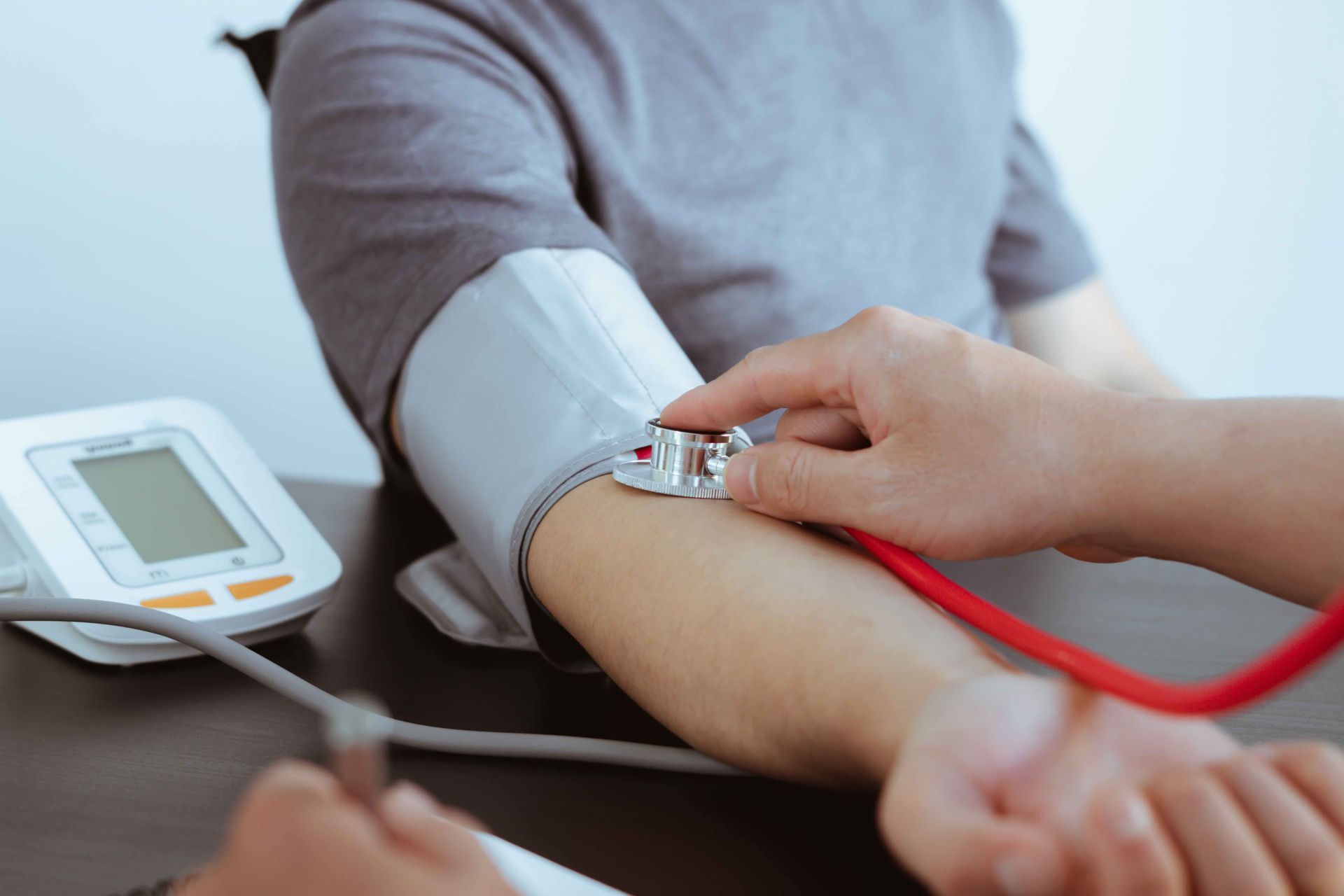
Person's arm with blood pressure cuff being examined by a stethoscope. A digital blood pressure monitor is visible.

1. Blood Pressure Checks: The Risk Men Miss

High blood pressure is one of the most widespread and underestimated health conditions affecting men. The CDC estimates that as many as 50% of men have high blood pressure in the United States.


This is often a silent problem. Many people feel perfectly fine even when their numbers are dangerously high.

A routine blood pressure screening takes minutes, yet it can uncover risks for heart disease, stroke, kidney damage, and vision problems. Regularly having your blood pressure checked allows a healthcare provider to track trends, not just a single blood pressure reading, and intervene before complications develop.


Unchecked high blood pressure often progresses silently, making consistent monitoring one of the most valuable screening tests available.


2. Cholesterol Screening and Heart Health

Heart disease remains a leading cause of death among men around the world, and high cholesterol is a major contributor. Because elevated cholesterol doesn’t cause symptoms, many men skip cholesterol screening until a serious event occurs.


A simple blood test can reveal cholesterol levels and help identify risk factors tied to diet, genetics, and lifestyle. When combined with blood pressure data and body mass index measurements, cholesterol testing supports primary prevention.


The goal is to help men avoid heart attacks rather than recover from them.


3. Prostate Cancer Screening: A Conversation Worth Having

Prostate cancer affects a significant number of men, particularly as they age. The most recent estimates predict that 333,830 new cases of prostate cancer will be diagnosed in 2026, which makes this a hot topic in the world of cancer prevention and identification.


While not every man needs immediate testing, discussing prostate cancer screening with a healthcare professional is critical, especially for those with a family history or other high-risk indicators.


Screening decisions are guided by clinical practice guidelines and individualized factors such as age, overall health, and personal or family history. Early detection during the early stages often allows for more treatment options and better long-term outcomes.


4. Colorectal Cancer Screening: Prevention That Saves Lives

Colon cancer often develops slowly, with few warning signs until advanced stages. That’s why colorectal cancer screening plays such a vital role in men’s health screenings.


Options may include a colonoscopy, stool-based tests such as a stool DNA test, or other screening methods, depending on average risk versus high risk. These cancer screening tools don’t just detect disease; they can prevent it by identifying and removing precancerous growths early.


Organizations like the American Cancer Society continue to emphasize how routine screening dramatically reduces colon cancer deaths. As of 2026, the recommendation is to start regular screenings at age 45.


5. Lung Cancer Screening for Current and Former Smokers

Men with a history of smoking often avoid discussing lung health, but lung cancer screening can be lifesaving. For certain individuals, low-dose computed tomography is recommended to detect lung cancer before symptoms appear.


Early detection significantly improves survival rates, especially for those with known risk factors such as long-term smoking or occupational exposure. Skipping this screening can allow lung cancer to progress unnoticed until treatment options are limited.


6. Skin and Testicular Cancer: Simple Checks, Big Impact

Skin cancer is frequently overlooked, even though it’s one of the most common cancers in men. Some research even indicates that men are more likely to die of melanoma than women. Regular skin evaluations during a physical exam can identify suspicious changes early.


Similarly, testicular cancer, while less common, often affects younger men and is highly treatable when caught early. Awareness, self-exams, and discussing concerns with a healthcare provider can make a meaningful difference.


7. Abdominal Aortic Aneurysm: The Screening Many Men Don’t Know About

An abdominal aortic aneurysm can be life-threatening if it ruptures, yet it often produces no symptoms beforehand. Screening is typically recommended for certain men over age 65, especially those with a smoking history or family history.


This is one of the clearest examples of how targeted screening tests can prevent sudden, catastrophic events through early identification and monitoring.


8. Mental Health Screening: An Overlooked Part of Men’s Health

Mental health often takes a back seat in conversations about men’s health screenings. Stress, depression, and anxiety may present as irritability, sleep issues, or physical symptoms rather than emotional distress.


Routine check-ins during a physical exam allow healthcare professionals to assess mental health alongside physical health. After all, emotional well-being plays a role in everything from heart disease to chronic conditions.



How Men’s Health Screening Guidelines Are Determined

Screening recommendations aren’t arbitrary. They are shaped by research and updated regularly by groups such as the U.S. Preventive Services Task Force, which evaluates evidence to determine when screenings offer more benefit than harm.


Factors such as age, average risk versus high risk, personal or family history, and existing health conditions all influence how often screening should occur, or whether more frequent testing is appropriate.


Frequently Asked Questions About Health Screenings for Men


What are the most important health screenings for men?

Common, high-value screenings include blood pressure checks, cholesterol testing, colorectal cancer screening, and risk-based screenings like lung cancer screening for people with a smoking history. Many men also benefit from skin exams, testicular health checks, and mental health screening during routine visits. The right list depends on age, personal health, and family history.


At what age should men start colorectal cancer screening?

The article states that regular colorectal cancer screening is recommended to start at age 45. Options can include colonoscopy and stool-based tests, with the best choice based on risk level and a discussion with a healthcare provider.


Do all men need prostate cancer screening?

No. Prostate screening is not one size fits all. The decision should be made with a healthcare professional and should consider age, overall health, and risk factors like family history. The goal is to match screening timing to personal risk and avoid unnecessary testing.


Who should consider lung cancer screening?

Lung cancer screening is meant for certain current and former smokers, using low-dose computed tomography to look for cancer before symptoms start. A clinician can confirm whether someone meets the criteria based on smoking history and other risk factors, including some workplace exposures.


Why do screenings matter if I feel fine?

Many conditions covered in the article, including high blood pressure and high cholesterol, often have no early symptoms. Screenings help catch problems before they turn into a heart attack, stroke, advanced cancer, or other serious complications. They also give you a baseline so your provider can track changes over time.

Why this is useful and how to implement it: Add this FAQ near the end of the article (above the final call to action) so AI tools can pull direct answers to common questions, and readers can quickly find the guidance they came for.


Make Preventive Health Screenings Part of Routine Care

Avoiding health screenings or regular check-ups is rarely about fear alone. Time constraints, uncertainty, and discomfort all play a role. 


Still, staying informed and engaged with preventive care helps all men maintain control over their long-term health.

Routine health screenings for men support early detection, reduce complications, and strengthen disease control across a lifetime. Talking openly with a healthcare provider helps clarify which screenings are appropriate and when.


Take the First Step With Family Medical Center

If you’ve been delaying a physical exam or are unsure which health screenings are appropriate, our healthcare providers at Family Medical Center will help determine the next steps.


During a comprehensive visit, we can review your personal and family history, check blood pressure, order appropriate blood tests, and discuss recommended cancer screening timelines based on current clinical guidelines. These conversations help identify potential concerns early and support long-term health planning.


Scheduling preventive care now allows you to address questions, establish a baseline, and stay proactive about your health. Get in touch today to book your appointment at our facility in Lake Odessa, MI.

Headshot of Steven Speckman, the owner of Speck esigns.

ABOUT THE AUTHOR


The copywriting team at Speck Designs creates the content for the Family Medical Center blog. Speck Designs is a creative agency based in Hastings, Michigan that loves helping local businesses grow with clear messaging and strong marketing. Every post is built using SEO and content best practices, with topics people are actively searching for, so readers get helpful answers they can use right away.

Girl smiles with bandaged arm after vaccination. Waving with colorful backpack on, against blue backdrop.
By FMC Team January 16, 2026
Not sure which shots matter most in the early years? This post breaks down 13 Essential Vaccines, the complications they help prevent, and when they’re given.
A baby is crying while laying on a blanket.
By FMC Team July 15, 2025
Wondering what your baby’s cries mean? Learn how to decode different types of infant crying, identify common causes, and discover proven soothing techniques.
A group of men are sitting next to each other and laughing.
By FMC Team June 25, 2025
Learn how men can protect their urinary tract health through hydration, diet, hygiene, and safe habits. For more trusted advice, turn to Family Medical Center in Lake Odessa.
Show More