How to Recognize the Early Warning Signs of Heart Disease in Men

FMC Team • July 2, 2026

Did you know that heart disease is the leading cause of death for men in the United States?


Although both sexes are impacted by heart disease, men actually have a higher risk of developing coronary artery disease (about 37%) compared to the lifetime risk of women (about 18%).


Here in Lake Odessa, Michigan, we see the impact of heart disease not just in the headlines, but in our own families and local community. The risks stretch across age groups, and the loss or fear that comes with a heart event touches parents, partners, and children alike.


What makes heart disease particularly troubling is how easy it can be to overlook. Many men tend to power through symptoms, writing them off as stress, aging, or just part of a busy schedule.


The truth is that early warning signs often appear well before a crisis happens, and catching these signs early can change the course of someone’s life for the better.


By learning what to watch for, such as heart attack symptoms, and talking openly about heart disease, we can build safer, healthier families together.

Key Takeaways

  • Early warning signs of heart disease in men can include chest pain or discomfort, shortness of breath, extreme fatigue, lightheadedness or dizziness, irregular heartbeat or palpitations, swollen ankles or feet, jaw neck or back pain, nausea or vomiting, and indigestion or heartburn.


  • Heart disease in men often goes unnoticed because symptoms can be mild, gradual, or mistaken for stress, aging, muscle strain, or stomach issues.


  • Men with risk factors for heart disease such as high blood pressure, high cholesterol, type 2 diabetes, smoking, obesity, sleep apnea, or a family history of heart disease should watch symptoms closely and get regular checkups.


  • Repeated, worsening, or sudden symptoms should be checked by a healthcare provider as soon as possible, because early detection can help manage conditions like coronary artery disease or heart failure.


  • Severe chest pain or discomfort, major shortness of breath, or a combination of warning signs may signal an emergency, so call 911 immediately, as heart disease is the leading cause of death.
Doctor holding a red heart icon in a bright medical office

Why Heart Disease Often Goes Undetected in Men

Heart disease tends to develop over the years as small problems grow bigger inside the body, often without making much noise.


That’s why so many men don’t notice a problem until it’s serious. Some even find out only after a major event like a heart attack.


Looking at the facts, men are less likely than women to schedule regular checkups or share concerns about their health with a provider. This can be even more true in smaller communities like Lake Odessa, where toughing it out may feel like the norm and risk factors for heart disease often go overlooked.


At the same time, men may mistake early warning signs of heart disease, such as upper body discomfort or cold sweats, for minor issues like indigestion, a strained muscle, or just feeling tired. We often reassure ourselves that aches and pains are nothing to worry about.


There’s also a form of heart disease called “silent heart attacks.” This means the heart can be getting damaged, but the person has no obvious symptoms until something serious happens.


Learning what to look for and knowing what’s risky gives families more power over their health and safety. They can also stay focused on important steps like eating a heart-healthy diet and lowering blood pressure.


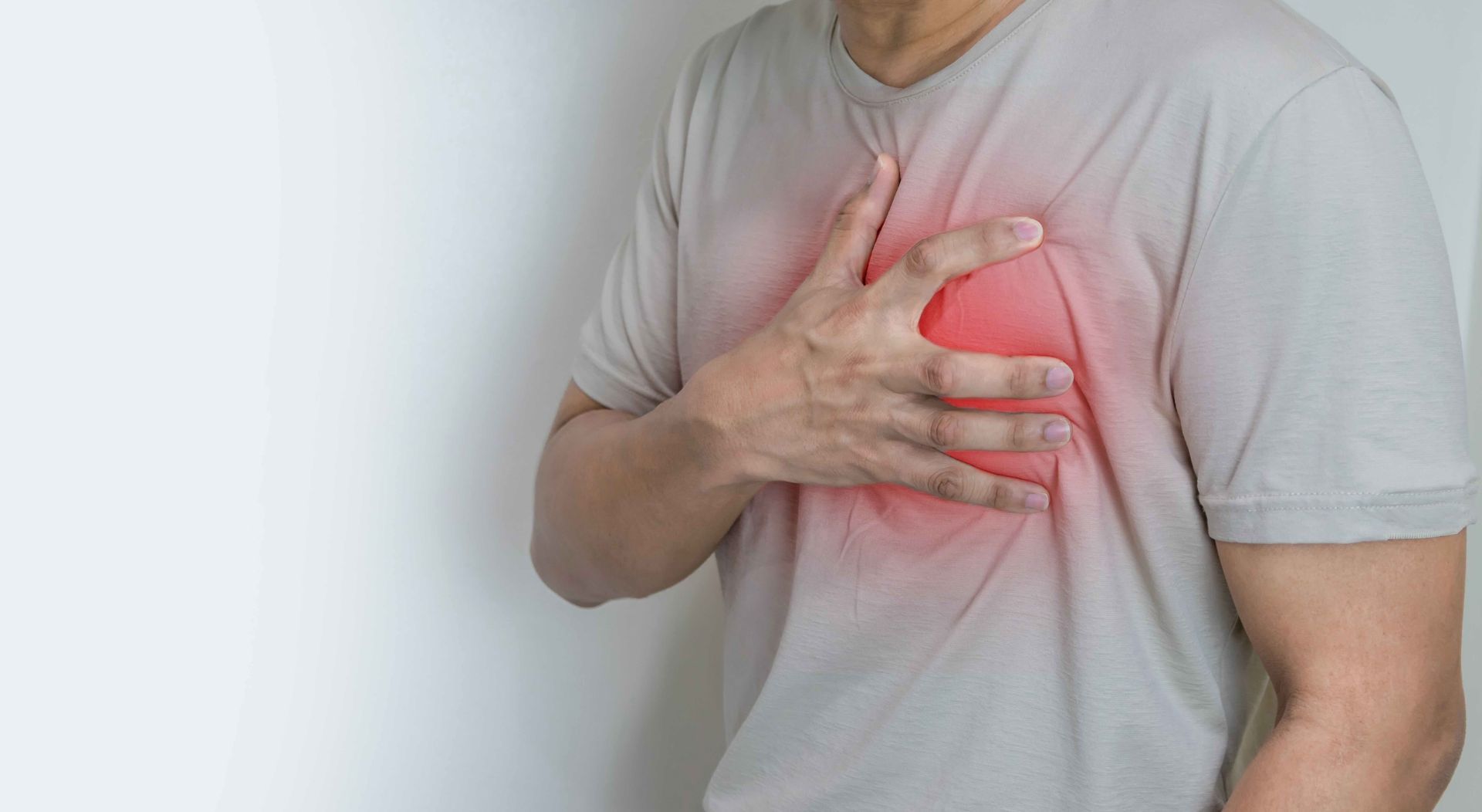
Person clutching chest with red highlight indicating chest pain or heart discomfort

8 Early Warning Signs of Heart Disease Every Man Should Know

Knowing the signs of heart disease helps protect the people we love most. Here are some of the most important early warnings to keep in mind, particularly regarding men’s health.


1. Chest Pain or Discomfort

Chest pain or discomfort might feel like squeezing, pressure, fullness, or a strange kind of burning in the center of the chest. It may come and go, lasting just a few minutes or stretching out longer.


While most of us think about movie-style pain in relation to heart attacks, many men experience less dramatic chest pain or discomfort. If you feel recurring chest pain or discomfort, it’s time to talk with your doctor.


2. Shortness of Breath

If you’re becoming winded doing things that never used to leave you out of breath, it could be a warning sign. Shortness of breath might show up with or without chest discomfort.


Feeling winded at rest or when lying down is especially worrisome. Don’t chalk this up to getting older or “falling out of shape.” If something feels different, take it seriously and talk to your doctor about a treatment plan.


3. Extreme Fatigue

Feeling tired now and then is just part of life in a busy home. However, when you feel exhausted most days, and that unexplained tiredness doesn’t improve with rest, it could point to heart trouble. The heart may be struggling to move blood around the body, leading to low energy.


Sudden or extreme fatigue, especially during activities that once felt easy, is reason enough to connect with a healthcare provider.


4. Jaw, Neck, or Back Pain

Heart issues don't always show up in the chest. Pain can travel down one or both arms or reach into the neck, jaw, and upper back because of jaw, neck, or back pain. This happens because the heart shares nerve pathways with these other body parts.


If pain or discomfort in any of these areas shows up, especially along with other warning signs of heart disease, it’s too important to ignore.


5. Lightheadedness or Dizziness

If you suddenly feel lightheadedness or dizziness, unsteady, or like you might faint, your heart may not be sending enough blood to your brain. This is especially important if lightheadedness or dizziness happens with chest discomfort or trouble breathing.


If this feeling comes on more than once, sit down safely and speak with your doctor as soon as possible.


6. Irregular Heartbeat or Palpitations

A racing, pounding, or irregular heartbeat or palpitations can be unsettling. While the occasional skipped or extra beat is usually nothing to worry about, frequent or lasting heart palpitations in men can signal trouble.


If you also feel dizzy, faint, or have chest pain during these episodes, seek help right away. Your doctor can help separate harmless heart quirks from concerning arrhythmia signals in your medical history.


7. Swollen Ankles or Feet

When the heart isn’t pumping blood well, fluid can build up in the lower legs, swollen ankles or feet. This swelling, called edema, often gets worse after being on your feet all day or sitting for a long time and can be a sign of heart failure.


If you notice new or sudden swelling or changes in your blood flow, it’s a good idea to check with a trusted provider sooner rather than later.


8. Indigestion or Heartburn

Sometimes, heart disease symptoms in men look more like an upset stomach than chest pain. Persistent indigestion or heartburn, nausea or vomiting, or aches high in the abdomen may signal a heart problem, not just a meal that didn’t sit right.


If these symptoms show up again and again or get worse with activity, it’s time to get a professional opinion and potentially medical treatment.


If you experience severe chest pain or discomfort or any combination of these symptoms, call 911 immediately.



Key Heart Disease Risk Factors

When our team speaks with men and families here in Lake Odessa, certain risk factors for heart disease come up again and again. Each of these factors raises the risk of developing heart disease over time:


  • High blood pressure
  • High cholesterol levels
  • Type 2 diabetes
  • Smoking or tobacco use
  • Drinking too much alcohol
  • Struggling to maintain a healthy weight or being obese
  • Consistent physical inactivity
  • A family health history of heart disease (parents or siblings)
  • Erectile dysfunction
  • Low testosterone levels
  • Sleep apnea or snoring
  • Peripheral arterial disease
  • Living with chronic stress
  • Eating a diet high in unhealthy saturated fats


Having one or more of these heart attack risk factors increases the need to watch for warning signs and check in with a provider regularly. The good news is that many of these risks can be lowered or managed with changes in daily habits, nutrition, movement, or medication when needed.


At Family Medical Center, we’re proud to offer community-driven programs that focus on the distinct needs of our town, helping families build healthy habits.


What to Do If You Notice the Warning Signs of Cardiovascular Disease

If any of the warning signs above, such as chest pain or discomfort, shortness of breath, or extreme fatigue, start to show up in your life, don’t wait or write them off. Symptoms that happen again and again, get worse over time, or show up suddenly deserve a careful look by a trusted healthcare provider.


Making that first appointment is a brave step. Your provider can perform preventive medical screenings like checking blood pressure, running a cholesterol test, or doing an electrocardiogram (EKG). These tests are often easy, quick, and give vital information about your cardiovascular health and risks for heart disease. If more specialized care is warranted, they may refer you to an interventional cardiologist.


At the end of the day, early detection is the key to starting either lifestyle changes or medication that may prevent a bigger medical emergency and help get heart disease treated.


Frequently Asked Questions About Early Warning Signs of Heart Disease in Men


What are the earliest warning signs of heart disease in men?

Early warning signs of heart disease in men can include chest pain or discomfort, shortness of breath, unusual fatigue, dizziness, heart palpitations, swelling in the ankles or feet, and jaw neck or back pain. Some men also notice nausea, heartburn, or indigestion-like symptoms. Because these signs can seem mild at first, they are easy to dismiss.


Can heart disease symptoms in men feel like something less serious?

Yes. Early symptoms are often mistaken for stress, aging, poor sleep, indigestion, or a pulled muscle. For example, men may experience silent heart attacks without classic pain or dismiss upper body discomfort as nothing serious. A man may ignore fatigue, mild chest discomfort, or getting winded more easily than usual. That's one reason heart disease can go undetected until it becomes more serious.


When should a man see a doctor about possible heart disease symptoms?

A man should see a doctor if symptoms keep coming back, get worse over time, or start suddenly. This is especially important for chest pain or discomfort, shortness of breath, extreme fatigue, dizziness, or irregular heartbeat or palpitations. Early evaluation can help catch problems before they lead to a medical emergency.


What risk factors make heart disease more likely in men?

Common risk factors for heart disease include high blood pressure, high cholesterol levels, type 2 diabetes, smoking, excess alcohol use, obesity, physical inactivity, sleep apnea or snoring, chronic stress, and a family history of heart disease. Erectile dysfunction and low testosterone levels may also be linked with higher risk in some men, as can peripheral arterial disease. The more risk factors a person has, the more important regular screening becomes.


What should a man do if he notices warning signs of heart disease?

He should not ignore potential heart attack symptoms. A primary care provider can check blood pressure, order cholesterol testing, review symptoms, and decide if tests such as an EKG are needed or if referral to an interventional cardiologist is appropriate for issues like coronary artery disease or heart failure. Making healthy lifestyle choices is also essential for long-term heart health. If symptoms are severe heart attack symptoms, such as strong chest pain or discomfort with cold sweats or trouble breathing, call 911 immediately.


Schedule Your Heart Health Checkup

Heart disease often develops subtly, which makes regular checkups and healthy lifestyle choices some of the most valuable steps you can take for your long-term health. Paying attention to changes in your body and discussing concerns with a medical provider can lead to earlier detection and better outcomes.


If you live in the Lake Odessa area, now is a good time to schedule a heart health checkup or annual wellness visit, particularly if you notice chest pain or discomfort or heart attack symptoms. Routine men’s health screenings, blood pressure monitoring, and conversations about lifestyle factors can help identify risks before they become serious problems.


At Family Medical Center, our team is proud to care for individuals and families throughout the Lake Odessa community. We take the time to listen, answer questions, and help patients stay informed about their health and medical conditions at every stage of life.


If it has been a while since your last checkup, consider scheduling an appointment today for routine monitoring including high blood pressure. Taking that step can support your health, your family, and the years ahead with the people who matter most, especially since heart disease is the leading cause of death.

Headshot of Steven Speckman, the owner of Speck esigns.

ABOUT THE AUTHOR


The copywriting team at Speck Designs creates the content for the Family Medical Center blog. Speck Designs is a creative agency based in Hastings, Michigan that loves helping local businesses grow with clear messaging and strong marketing. Every post is built using SEO and content best practices, with topics people are actively searching for, so readers get helpful answers they can use right away.

Women’s wellness at every age
By FMC Team March 23, 2026
Learn how women’s health needs change from your 20s through your 50s and beyond, with preventive care, menopause, mental health, and healthy aging. Read it now!
First-time parents medical guide
By FMC Team March 16, 2026
Learn how your child grows from newborn to age five with guidance for first-time parents on medical care, development, pediatric visits, and when to seek help.
Hormones and wellness balance
By FMC Team January 28, 2026
Explore how hormones influence your energy, mood, weight, and overall wellness. Plus, learn how to recognize and address potential imbalances.
Show More