


Thyroid and Women's Health: What Every Woman Should Know
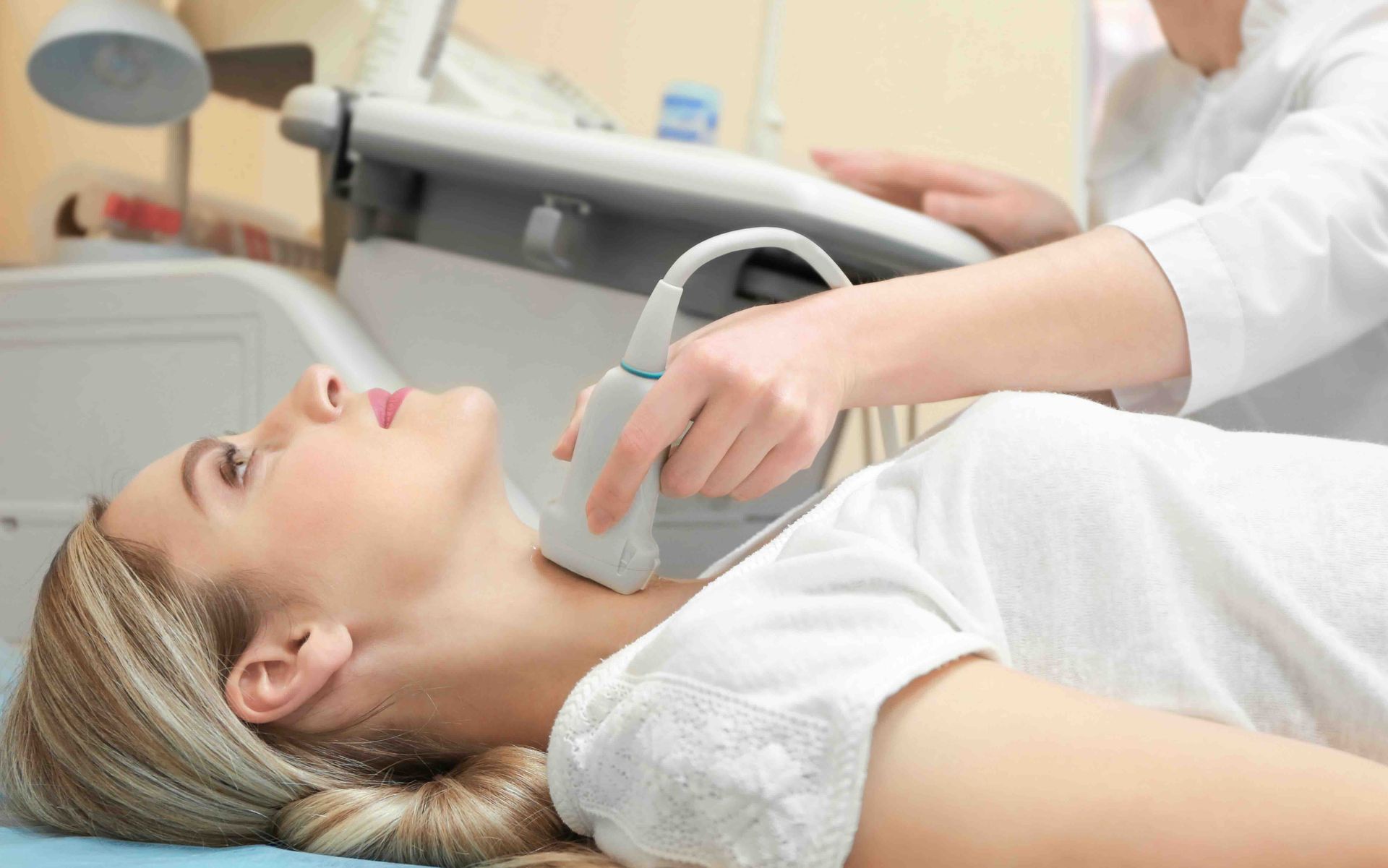
Do you feel tired no matter how much you sleep? Have your moods, weight, or periods changed in ways you can’t quite explain? Do you ever think, “I just don’t feel like myself anymore”?
Your thyroid might be part of the story.
The thyroid is a small, butterfly-shaped gland in your neck that has a huge influence on how you feel day to day. It helps regulate your metabolism, energy, body temperature, heart rate, and even your menstrual cycle, fertility, and pregnancy.
When thyroid hormone levels are off, you may develop a thyroid disorder. This can range from mild imbalance to conditions like hypothyroidism, hyperthyroidism, Hashimoto’s disease, goiter (enlarged thyroid), or, less commonly, thyroid cancer.
Here’s the tricky part: thyroid symptoms in women tend to creep in slowly. It’s easy to shrug them off as “just stress,” “getting older,” or perimenopause.
For many women, thyroid symptoms appear slowly and quietly, making them easy to overlook. In fact, the American Thyroid Association reports that up to 12% of the U.S. population will develop a thyroid condition during their lifetime, but up to 60% of those with thyroid disease are unaware of their condition.
The encouraging news? Most thyroid disorders can be managed effectively with early diagnosis, thyroid medication for women, healthy lifestyle choices, and ongoing medical care.
What Is the Prevalence of Thyroid Disorders?
Among women, one in eight will develop a thyroid disorder in her lifetime. Because thyroid symptoms in women can be subtle, they are frequently mistaken for stress, aging, or perimenopause. Early signs of thyroid problems in women may include:
- High cholesterol
- Low or high blood pressure
- Low heart rate
- Hoarseness
- Dry skin
- Irregular or heavy periods
- Constipation
- Sensitivity to cold
- Weight gain
- Fatigue or sluggishness
- Hair loss
If this list feels uncomfortably familiar, you’re not alone.
To check for hypothyroidism in women, healthcare providers usually order bloodwork to measure thyroid-stimulating hormone (TSH), and sometimes other thyroid hormone levels. With Hashimoto’s thyroiditis (the most common cause of hypothyroidism), the thyroid can feel firm or irregular on exam.
Many professional organizations, such as the American Thyroid Association and the American Association of Clinical Endocrinologists, support thyroid screening in women at higher risk. Research has linked even mild, untreated hypothyroidism to higher risks of miscarriage, late fetal loss, and learning differences in children, among other concerns.
That’s why many providers suggest checking thyroid levels if you’re trying to get pregnant or have just seen that positive test. There’s still some debate about the exact “ideal” numbers, but in real life many doctors go ahead and treat even slightly elevated TSH during pregnancy to keep you and your baby as healthy as possible.
Postpartum Thyroiditis: What New Mothers Should Know About Thyroid Diseases
You just had a baby. You’re healing, adjusting, barely sleeping, and trying to learn a whole new rhythm of life. It’s a lot. When your body or mood feels “off,” how are you supposed to know if it’s normal postpartum… or if your thyroid is adding to the chaos?
Postpartum thyroiditis is a temporary inflammation of the thyroid that can occur at any time within the first year after giving birth. Because its symptoms overlap so much with everyday postpartum life, many women don’t realize their thyroid is involved until much later.
Postpartum thyroiditis usually happens in two distinct phases:
1. The Hyperthyroid Phase: “Why Do I Feel So Wired?”
During this phase, your thyroid releases too much hormone. You may feel:
- Anxious or unusually restless
- Jittery or shaky
- Like your heart is racing
- Hot all the time
- “Wired but tired.”
This phase is brief for many women, which is one reason it often goes unnoticed.
2. The Hypothyroid Phase: “Why Am I So Drained?”
After the “too much” phase comes the “not enough” phase, where the thyroid slows way down. Symptoms may include:
- Fatigue that feels heavier than normal new-mom tired
- Low mood, sadness, or irritability
- Weight gain or trouble losing weight
- Feeling chilled or sluggish
- Brain fog or mental slowdown
It’s easy to chalk these symptoms up to sleepless nights, hormones, breastfeeding, or just… life with a newborn.
Why It’s So Easy to Miss
Everything about postpartum life is already emotional, physical, and unpredictable. You’re told to expect big feelings, huge hormone shifts, sleep deprivation, and other symptoms. So, when postpartum thyroiditis shows up, it blends right in.
But here’s the thing: if something feels “off” in a way you can’t explain, it’s worth paying attention. You know your body better than anyone.
Will It Go Away on Its Own?
Sometimes, yes. Postpartum thyroiditis can resolve without treatment.
However, for many women, the hypothyroid phase lingers and becomes long-term. In these cases, thyroid disorder treatment or thyroid medication for women may be needed to help you feel like yourself again.
When to Check In With Your Provider
If you’re a new mom and your body or mood doesn’t seem to be finding its footing, weeks or even months after delivery, it’s absolutely reasonable to ask: “Could this be my thyroid?”
There’s no harm in asking, and sometimes a simple blood test can give you answers you didn’t know you needed.
You deserve to feel well during this chapter, and spotting thyroid changes early can make a meaningful difference in your recovery, energy, and overall well-being.

What Are the Effects of Thyroid Disorder in Women?
Your thyroid may be a small gland, but it has a surprisingly wide reach. When it’s overactive or underactive, the effects don’t stay confined to your neck; they can influence your energy, mood, metabolism, and especially your reproductive health.
Many women don’t realize how tightly the thyroid is woven into menstrual cycles, fertility, and even the transition into menopause. Recognizing that connection can help you spot changes earlier and feel more in control of what’s happening in your body.
Your Menstrual Cycle and Puberty
Thyroid hormones help guide the rhythm of your menstrual cycle: when your period comes, how long it lasts, and how heavy or light it feels. When your thyroid is off, your cycle may be one of the first places you notice changes.
Some women find that their periods become unusually light, while others swing in the opposite direction and experience very heavy bleeding. Cycles can become unpredictable, stretched out, or even disappear entirely for months at a time.
These shifts can be unsettling, especially if you’re used to a fairly steady pattern.
Thyroid health can also influence puberty. When thyroid hormones are too low or too high, puberty may start earlier than expected or be delayed. Parents sometimes worry about these timing changes, but addressing an underlying thyroid imbalance can help bring things back into alignment.
If your cycle has changed in a way that doesn’t feel typical for you, it’s worth considering whether your thyroid might be playing a role.
Ovulation and Fertility
When the thyroid isn’t functioning properly, ovulation can become irregular or stop altogether, making it harder to get pregnant.
Hypothyroidism may also lead to the development of ovarian cysts and, in more extreme cases, cause the breasts to produce milk even when a woman isn’t pregnant or breastfeeding. This is a sign that the hormone communication pathways between the thyroid, pituitary gland, and ovaries are out of sync.
If you’re trying to conceive and your cycle feels unpredictable, your energy is unusually low, or your body just doesn’t feel like it’s operating smoothly, thyroid testing can be a valuable step.
Sometimes the answer to “Why isn’t this happening yet?” lies in your hormones, not in anything you’re doing wrong.
Thyroid Health During Pregnancy
Pregnancy places extra demands on your thyroid. Your body is supporting not one but two endocrine systems during those months, so your thyroid has to work harder to keep up.
If your thyroid isn’t producing enough hormone (or is producing too much), it can affect both you and your baby.
Untreated thyroid conditions during pregnancy have been linked to miscarriage, preterm birth, stillbirth, and certain developmental concerns. Some women also experience more severe morning sickness when their thyroid is overactive, which can make early pregnancy especially challenging.
None of this is meant to be frightening; it’s simply a reminder that checking your thyroid is a small step that can make a very big difference. If you’re pregnant or planning to be and you’re noticing thyroid symptoms such as fatigue, mood shifts, weight changes, or irregular cycles beforehand, bring it up with your provider.
Thyroid Disorders and Early Menopause
Thyroid problems can sometimes look a lot like early menopause. Hot flashes, irregular periods, sleep disruptions, and sudden mood changes are all symptoms that overlap between the two. Many women are told “it’s probably early menopause,” when in reality their thyroid needs attention.
The frustrating part is that the symptoms can feel so similar it’s hard to tease apart what’s causing what. But with proper testing, your provider can determine whether your thyroid is contributing to the picture.
Treating hypothyroidism or hyperthyroidism often brings significant relief, sometimes enough that symptoms you thought were the start of menopause fade away entirely. In some cases, managing thyroid health can even help prevent early menopause.
What Is an Overactive Thyroid (Hyperthyroidism) in Women?
Hyperthyroidism, or an overactive thyroid, happens when the thyroid gland produces too much thyroid hormone. This can cause severe problems and may need treatment. It's more common in women, especially between ages 20 and 40. If you notice symptoms of an overactive thyroid, it's essential to see a doctor promptly.
Your doctor will inquire about your symptoms and, if they suspect a thyroid issue, arrange a blood test to evaluate your thyroid function. Should the blood test confirm an overactive thyroid, further tests may be recommended to determine the underlying cause.
Symptoms of Hyperthyroidism
An overactive thyroid condition speeds up many of the body’s functions, which can cause noticeable physical and emotional changes.
Common symptoms include:
- Rapid or irregular heartbeat
- Unexplained weight loss or poor weight gain
- Heat intolerance
- Anxiety or restlessness
- Tremors
- Trouble sleeping
- Increased sweating
- Frequent bowel movements
- Thinning hair
- Muscle weakness
These symptoms may develop gradually or appear suddenly, and not everyone experiences the same combination. If you notice several of these changes at once, it’s worth talking with your healthcare provider to check your thyroid function.
Hyperthyroidism Treatment Options
Fortunately, an overactive thyroid
is treatable, and often very successfully. The primary treatment options for managing a hormonal imbalance in women include:
Medication to Slow Thyroid Hormone Production
For many women, the first step is medication. These prescriptions work by calming the thyroid down and reducing the amount of hormone it releases into the body. It’s a straightforward approach and can be especially helpful if your symptoms are making you feel anxious, overheated, or just out of balance.
Some women stay on medication for a while and eventually taper off; others need longer-term treatment. Your provider will help you figure out what makes sense.
Radioiodine: A Precise, Targeted Option
Another common treatment involves radioactive iodine, which sounds intimidating but is actually a very focused therapy. You may first have a test to see how your thyroid gland absorbs iodine. If the gland is highly active, radioiodine treatment can gently shrink the overactive cells.
Over time, this reduces how much hormone the thyroid produces. It’s an option many women choose when medication isn’t enough or when they want a longer-lasting solution without surgery.
Surgical Removal of Part or All of the Thyroid
Surgery is less common but still an important option in certain situations. If medications aren’t working, if the thyroid is enlarged, or if other health concerns come into play, a surgeon can remove part (or sometimes all) of the thyroid gland. This prevents the gland from producing excess hormones altogether.
After surgery, many women take thyroid hormone replacement to maintain healthy levels moving forward.
Finding the Best Path for You
Every treatment comes with pros and cons, and no single option is “best” for everyone. Your provider or endocrinologist will walk you through your symptoms, your lab results, your lifestyle, and your long-term goals to help you choose the approach that feels right.
Managing hyperthyroidism is very much a partnership, and the goal is always the same: helping you feel healthier, steadier, and more like yourself again.
What Is an Underactive Thyroid (Hypothyroidism) in Women?
Hypothyroidism happens when the thyroid doesn't make enough thyroid hormone, leading to symptoms like tiredness, weight gain, and feeling down. Fortunately, daily hormone pills can effectively treat it by replacing the hormones your thyroid isn't producing enough of.
There's no sure way to prevent hypothyroidism, also called underactive thyroid. It often happens when the immune system attacks the thyroid by mistake. The symptoms can be subtle and may be mistaken for other health problems or conditions, like menopause.
If you’re wondering whether your thyroid might be part of the picture, a quick blood test can give you clear answers by measuring your hormone levels.
Symptoms of Hypothyroidism
Like other thyroid diseases, hypothyroidism can develop gradually, which makes it easy to overlook early symptoms.
Common signs may include:
- Fatigue or low energy
- Unexplained weight gain
- Sensitivity to cold
- Dry skin or brittle hair
- Constipation
- Low mood or depression
- Slow heart rate
- Brain fog or difficulty concentrating
- Wobbly or shaky muscles
The symptoms of hypothyroidism can mirror many other conditions, so it’s important not to self-diagnose. If you’re noticing several of these changes at once, a simple blood test can help determine whether your thyroid is involved.
Risk Factors for Hypothyroidism
Hypothyroidism can develop for a variety of reasons, but the most common cause is an autoimmune condition called Hashimoto’s thyroiditis.
In simple terms, the immune system becomes confused and begins to target the thyroid, slowly affecting how well it works. If you’ve recently been told you might have Hashimoto’s, you’re far from alone. It’s one of the most frequent thyroid diagnoses in women.
Treatment is usually straightforward: a daily thyroid hormone pill that replaces what your body isn’t making enough of. Your provider will keep an eye on your levels through routine blood tests and adjust the dose as your body settles into a healthier rhythm.
Some factors can increase your chances of developing hypothyroidism. Being female is one of the biggest predictors, and the condition becomes more common with age, especially after 60.
A family history of thyroid disease can play a role too, as can certain medical treatments, such as radiation to the neck or previous thyroid surgery. None of these guarantee that you’ll develop hypothyroidism, but they can help explain why it shows up for some women and not others.
If you do start medication, consistency matters. Thyroid hormone works best when taken daily, and it can take a little trial and error to land on the dose that makes you feel steady again.
Finding the right balance is a process, but with the right support and a bit of patience, most women start feeling better than they have in a long time.
Lifestyle Tips for Thyroid Gland Health
Medication is the foundation of thyroid disorder treatment, but healthy lifestyle habits support long-term balance. These changes can improve thyroid symptoms in women and help stabilize energy, mood, and weight.
Diet for Thyroid Health
Certain foods support thyroid function:
- Iodine-rich foods: eggs, seafood, seaweed
- Selenium-rich foods: Brazil nuts, tuna, turkey
- Zinc sources: legumes, nuts, whole grains
A balanced diet helps reduce inflammation and supports hormone production.
Foods That Support Thyroid Function
What you eat can make a noticeable difference in how you feel day to day. Adding nutrient-dense foods to your meals helps your body regulate hormones, maintain steady energy, and reduce inflammation.
- Fresh fruits
- Leafy greens
- Lean proteins
- Whole grains
- Healthy fats (olive oil, avocado, salmon)
These foods won’t cure thyroid disorders, but they provide essential nutrients that work alongside treatment to help stabilize thyroid function and support your overall well-being.
Stress Management for Thyroid Problems
Chronic stress can worsen hormonal imbalance in women and affect thyroid health. Techniques that help include:
- Gentle movement (walking, yoga)
- Breathing exercises
- Meditation or mindfulness
- Setting realistic daily routines
While stress can’t be eliminated completely, building small, consistent habits can make a meaningful difference in how your thyroid functions and how your body responds to everyday demands.
Over time, these practices help regulate hormones, improve mood, and support the rest of your thyroid treatment plan.
Even a few minutes of intentional calm each day can create benefits that add up.
Healthy Lifestyle Habits for Thyroid Conditions
Small, steady habits can make a meaningful difference in how well your thyroid functions and how your body responds to treatment. While these changes aren’t a substitute for medication, they help support hormone balance and improve overall well-being.
- Consistent sleep
- Regular physical activity
- Limiting alcohol
- Avoiding smoking
- Keeping up with routine thyroid screenings
Lifestyle changes for thyroid disorders won’t replace medication or the need for thyroid surgery in certain situations, but they make other treatments more effective and help women feel better day-to-day.
Advocating for Your Thyroid Health
If you’re worried about your thyroid, or something about your health just feels off, you don’t have to sort it out alone.
Schedule a consultation or physical exam with our caring team at Family Medical Center in Lake Odessa, MI. We’ll listen to your concerns, order appropriate testing if needed, and walk you through what your results mean in everyday language.
Your thyroid plays a big role in how you feel. Let’s give it the attention it deserves and help you move toward better balance and better well-being.



Your Family’s Health Is Our Priority
Your wellness matters to us. Take the next step in your care today.

1020 4th Ave
Lake Odessa, MI 48849
oFFICE HOURS
- Mon - Tue
- -
- Wed - Thu
- -
- Fri - Sun
- Closed
AFTER HOURS EMERGENCY CONTACT
1020 4th Ave
Lake Odessa, MI 48849
oFFICE HOURS
- Mon - Tue
- -
- Wed - Thu
- -
- Fri - Sun
- Closed
AFTER HOURS EMERGENCY CONTACT
All Rights Reserved
FAMILY MEDICAL CENTER
website designed by SPECK DESIGNS
All Rights Reserved | FAMILY MEDICAL CENTER
website designed by SPECK DESIGNS